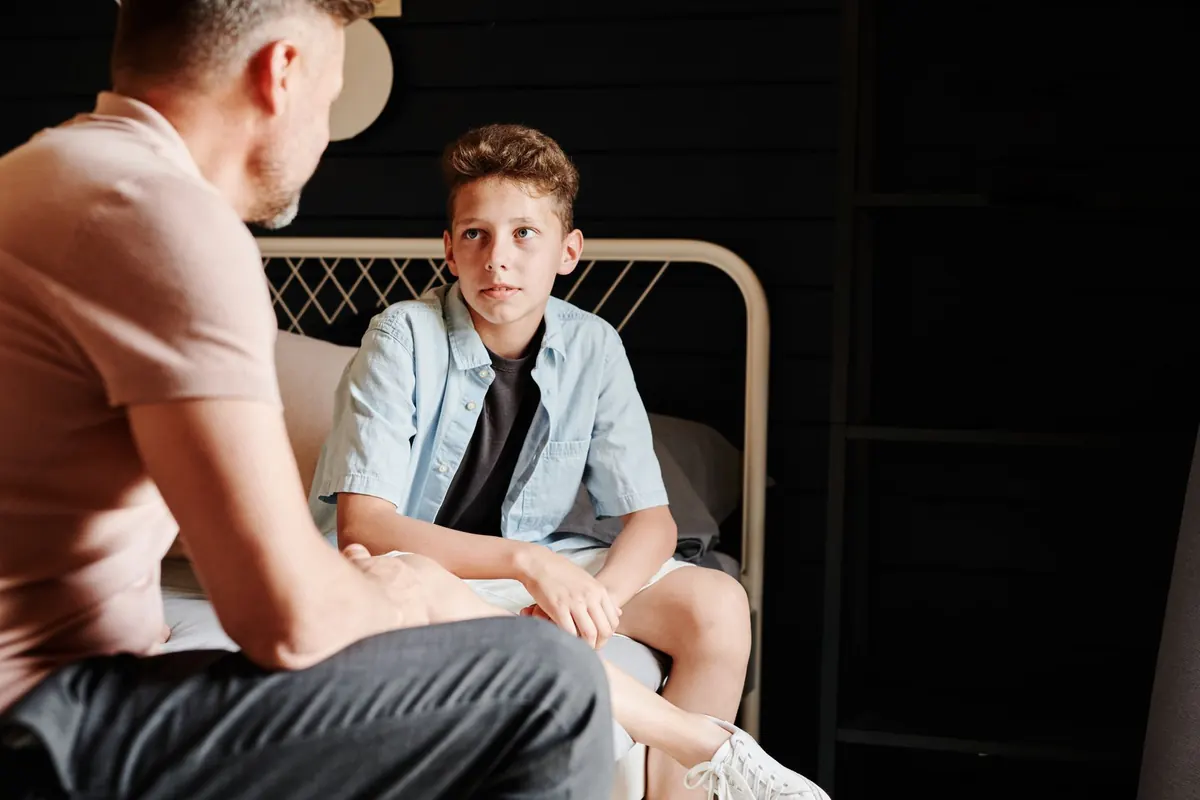
Most health stories do not arrive in a neat timeline. They come in fragments: the smell of a hospital corridor, the name of a nurse, a fear your loved one has never said aloud. A gentle interview can help gather those fragments before they fade, but the goal is not a perfect record. The goal is to help someone feel heard, and to preserve what matters to them. The questions below are prompts, not a script. Use what fits, skip what does not, and let silence do some of the work.
Before you ask about illness, ask whether your loved one wants to talk at all. Explain why you are asking, who might hear the recording, and how they can stop. “I’d like to keep some of your stories for our family. We can pause anytime, and you can skip any question” is clearer than a vague request to “share everything.”
Consent is not a single box to tick. Ask again if the conversation moves into private territory—money, family conflict, personal care, or a diagnosis they have not shared widely. If you plan to record, say so plainly and place the phone where they can see it. Some people speak more freely without a device; a written note or a voice memo made afterward is still useful. If your loved one has memory loss, keep sessions short and return to the same stories another day. Repetition is not failure; it is often how details surface.
Health memories sit inside a life. Start with ordinary ground so the conversation does not feel like a clinical intake. These questions also give you context for later details: who cooked, who drove, who was called when someone was sick.
Listen for names, places, and small rituals. Repeat a detail back: “So your aunt would bring soup and sit with you?” That kind of echo invites more without pressing. If you sense resistance, move on. The warm-up is not a trick to get to the medical part; it is part of the story.
When the time feels right, ask open questions rather than yes-or-no ones. “Do you remember being in hospital in 1998?” invites a defensive correction. “What do you remember about the times you were unwell?” leaves room for their version. You are not there to audit dates or confirm a diagnosis; you are there to understand what the experience was like from the inside.
Useful prompts include:
If details conflict with what you know, resist the urge to correct. Try “Tell me more about that” or “What stands out most now?” Later, you can note discrepancies separately. If the conversation raises a medical question that still needs an answer, treat this as a memory record, not medical advice. Encourage your loved one to speak with their clinician, and seek professional advice if you are unsure.
Hospital stays, rehab, and moves between home and care settings often hold the most vivid memories. They also reveal what helped and what made things harder—details that future caregivers can learn from.
Ask for concrete scenes: the chair by the window, the night nurse who checked in, the food that was unbearable, the first walk down the corridor. Concrete details are easier to recall than abstract opinions. If a memory becomes distressing, pause. You can say, “We can stop there. Would you rather talk about something else?” Do not push for a full account in one sitting.
Feelings are often the last thing people volunteer and the most valuable thing to record. Ask lightly, and make it clear that “I don’t know” or “I’d rather not say” are welcome answers.
Some people cry; some make jokes; some change the subject. Follow their lead. A short silence can be more respectful than a follow-up question. If your loved one becomes overwhelmed, offer to stop and suggest a break, a walk, or a drink of water. For ongoing distress, encourage them to talk with a clinician or another trusted professional. You are a caregiver, not a therapist, and it is okay to say so.
If money, legal decisions, or unresolved medical concerns come up, keep the interview separate from advice. Those topics deserve a conversation with the appropriate professional, not a guess made in the moment.
Thank your loved one for their time, and tell them what you will do with the notes or recording. Then leave the door open: “If you think of something else, I’d like to hear it.” Some of the best details arrive days later, while washing dishes or waiting for an appointment. Keep a notebook handy and ask before you write anything down.
You do not need a complete archive. A few honest sentences, recorded with consent and care, can become a family’s most useful guide to how someone wants to be treated when they
Photo: SHVETS production / Pexels