A patient story can do something a clinic leaflet rarely manages: it makes an experience recognisable. Someone reads about a diagnosis that sounds like theirs, or about a waiting room they have sat in, and feels a little less alone. That is worth publishing. But the same story, handled carelessly, can embarrass the person who told it, reveal details they never meant to share, or upset a family reading it over breakfast.
Most of the problems in published patient stories do not come from bad intentions. They come from small assumptions — that consent covers more than it does, that a detail is harmless because it is interesting, that readers will understand the context without being told. Here are the mistakes that come up most often, and how to avoid them.
A person who agrees to talk to you in a consulting room has not necessarily agreed to a named piece on the open internet, read by their neighbours, for the next ten years. Consent is specific. It covers a particular text, in a particular place, under a particular name.
Before you write a word, confirm the details out loud and, where possible, in writing. A short email that sets out what you understood is enough, and it protects both of you.
Then show them the finished piece before it goes live. Not a summary — the actual text. People often agree to a story in principle and only recognise the sharp edges when they read it. What counts as valid consent for health information varies between countries and institutions, so check with your organisation's privacy or legal team rather than relying on a template you found online.
Interesting is not the same as necessary. A piece about the long wait for a biopsy result does not need the name of the street the patient lives on, the exact date of the appointment, or the fact that they are the only nurse at a small clinic in a small town. None of those details help a reader understand the experience. All of them narrow the pool of people who can identify the storyteller.
Patients overshare too, and that is part of your job. If someone writes candidly about their marriage, their fear, or a relative's reaction, ask directly: "You've written about your brother here. Are you happy for him to read this? Have you told him it's going out?" Often the answer is a pause, and then a revision.
Readers fill gaps, and they usually fill them wrongly. Three facts lift almost any patient story: when this happened, where in the care pathway the person was at the time, and what happened next — or that it is still unfolding.
Without them, a difficult birth story from years ago reads as a description of current care on a current ward. A piece that ends on an up note gets read as a full recovery, when the person is still in treatment. A carer's account gets read as the patient's own words.
So state who is speaking, early. A first-person account, a partner's account and a clinician's summary are three different pieces of writing, and the reader needs to know which one they are in. Resist the urge to tidy the ending into resolution. If the story ends in uncertainty, let it end there; that honesty is often the part readers remember.
Light editing is grammar, order and repetition. Heavy editing is rewriting someone's feelings into phrases they would never use, then presenting the result as their words. The difference matters, because readers trust a first-person account to sound like a person.
A useful test: read the edited paragraph back and ask, "Does this sound like you?" Keep the odd phrasing. It is usually the most memorable line in the piece, and it is the reason the story was worth telling. Equally, do not add medical interpretation of your own. If someone says "they told me it was aggressive," leave it as they said it. If clinical context would help, get it from a qualified clinician, attribute it clearly, and keep it visibly separate from the patient's own words.
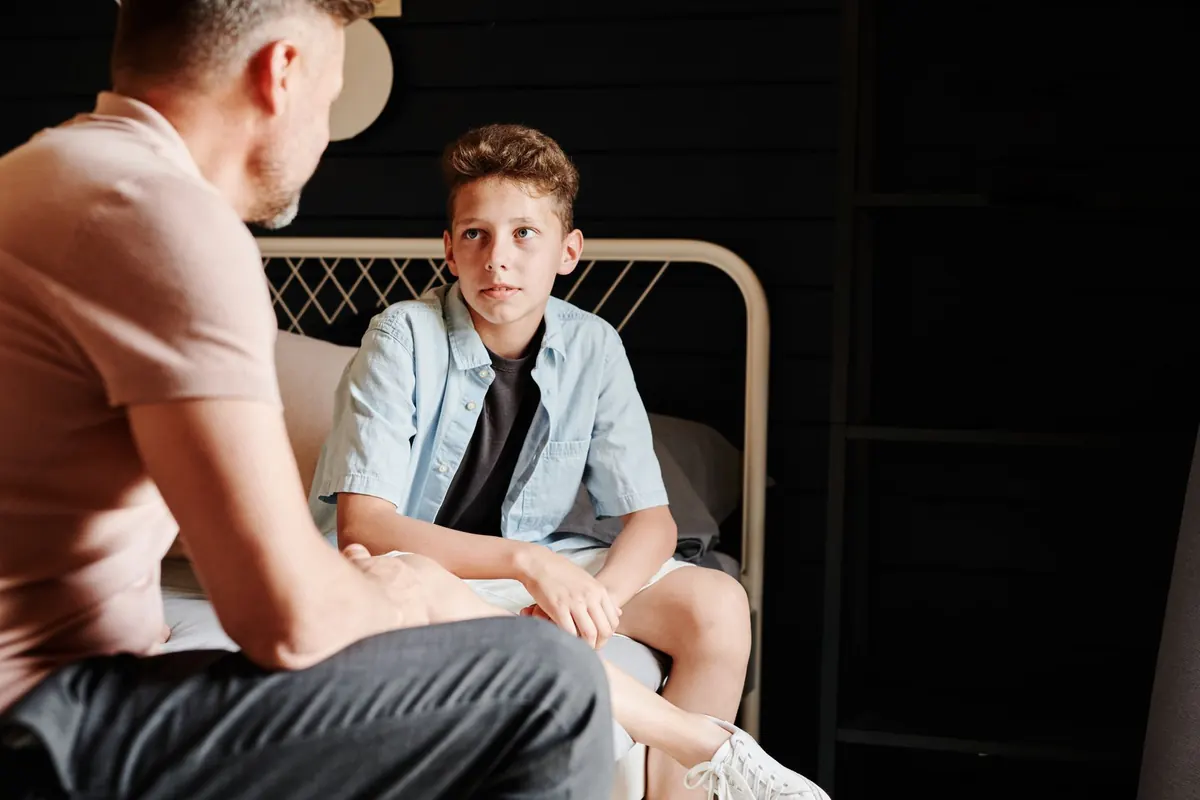
Very few patient stories involve one person. A partner, a parent, a child, a colleague or a ward nurse may be recognisable even when unnamed. Ask the storyteller whether everyone who appears has been told the piece is being published, and whether they are comfortable with how they appear. Where a relative is described in an unflattering light, consider anonymising them too, or cutting the passage.
Clinicians deserve the same courtesy. A named doctor or nurse quoted without their knowledge can be identifiable from a job title and a date, and they have their own professional obligations to consider. When in doubt, describe the role rather than the person.
The work does not stop at the publish button. Decide in advance who reads the comments and who replies to them, because reader responses to illness stories can be unexpectedly harsh as well as kind. Have a route for corrections: who approves them, how quickly they go up, how they are marked. And have a route for withdrawal. If the storyteller asks for the piece to be removed, know who decides, how fast it can happen, and be honest with them at the start about what is technically possible once something has been shared.
A short check-in a week after publication costs nothing. It also tells you whether the piece landed the way the person expected.
None of this is complicated. It is ten extra minutes and a few awkward questions, asked early, when they are easy to ask. If you are unsure whether consent is adequate or a detail is safe to publish, take it to your organisation's privacy lead or a legal adviser before the story goes out. A delayed story is a small inconvenience. A story someone regrets is a different kind of problem, and one that rarely stays private.
Photo: Engin_Akyurt / Pixabay